
Spiders in the basement, ants on the counter, crickets in the garage. DeadOne Pest Control treats the everyday pests that move into Fort Wayne homes, inside and out, and keeps them from settling back in.
Get your FREE*
Quote Today
*Free quotes are given by phone or email. In-person inspections are $85.
By pressing 'Get a FREE Quote' you are agreeing to our terms and conditions and privacy policy, and consenting to receive text messages from DeadOne Pest Control. To unsubscribe, reply STOP.
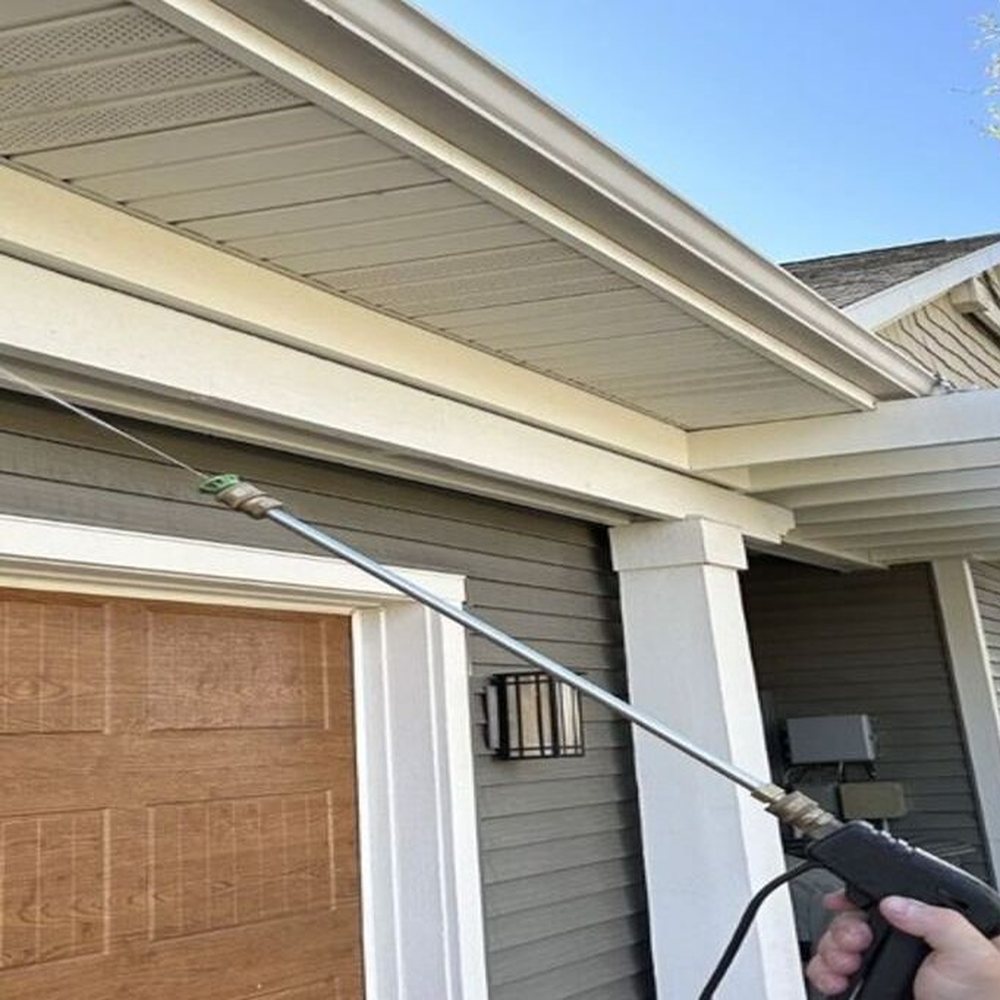
Most bugs that end up in your kitchen or basement started outside. We treat the foundation, eaves, windows and doors where they get in, then handle anything already inside. Spiders, ants, crickets, earwigs and the seasonal invaders that pile up on your siding are all covered.
A flea infestation can escalate quickly — a single female flea can lay up to 50 eggs per day. Fleas don’t just bite pets; they bite people too, and can transmit diseases. DeadOne’s flea treatment covers every life stage of the flea, so the infestation is cleared from the home and the yard.
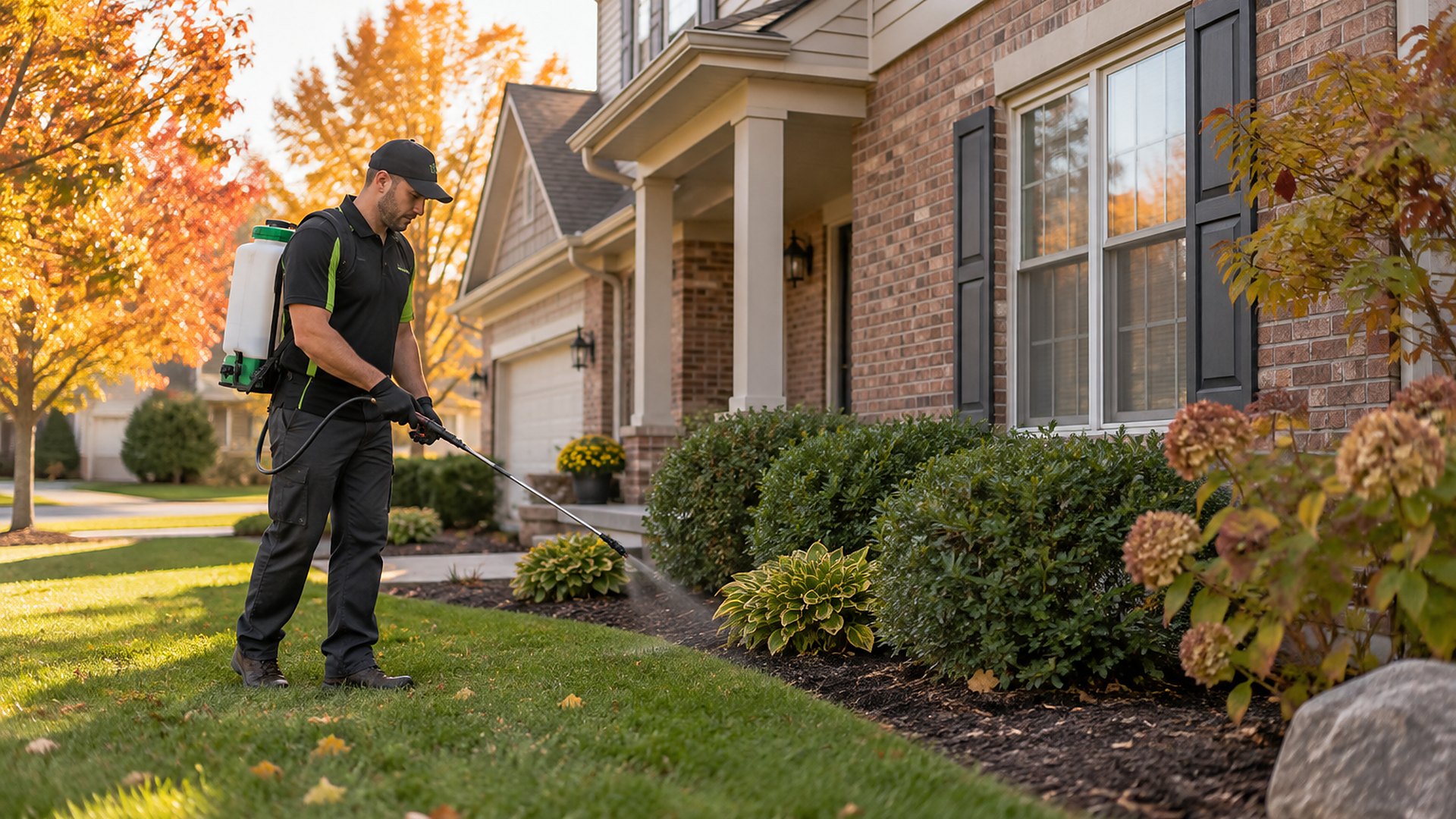

We are a Fort Wayne crew working Allen County every day, so we know what shows up here and when. Every visit starts with finding where pests are coming in, not just spraying what you can see. Seeing something else? We also handle ant control and wasp and hornet nests.
What people ask about spiders, fleas, ticks, and fall invaders like stink bugs.
Most aren’t. The vast majority are harmless and even eat other bugs for us. The one to watch for in our area is the brown recluse, which can give a serious bite. If you think you’ve found one, don’t poke it. Call or text us at 260-245-3323 (DEAD).
Spiders go where the food is. If you’ve got lots of spiders, you probably have lots of other bugs they’re snacking on. Fix the bug supply, and the spider population usually shrinks.
Basements, garages, attics, closets, and quiet corners where nobody bothers them. Woodpiles and cluttered storage are their favorite real estate.
Absolutely, it helps and we’ll do that for you too, but they’ll often rebuild. When cobwebs return, we know that is an area we need to treat harder. Regular treatment does more than a broom ever will.
Wash the area and watch it. If you see spreading redness, severe pain, a growing wound, or you feel unwell, get medical care. When in doubt, check with a doctor.
Fleas can ride in on wildlife, stray cats, used furniture, or even your pant legs. Previous residents’ pets can also leave behind eggs that wake up when they sense warmth and vibration (hi, new homeowner).
Pet treatments only handle the fleas on your pet. About 95% of a flea population is eggs, larvae, and pupae hiding in carpet, bedding, and cracks. Pupae can sit tight for weeks or months, then hatch when they sense a host. That’s why fleas can seem to come back “out of nowhere.”
Same plot twist as other pests: that’s often the treatment doing its job. Fleas in cocoons hatch, hop out, and come into contact with the product. Vacuum often (and toss the bag or empty the canister outside), and don’t panic. It can take a few weeks to fully clear.
They can. Ticks hang out in tall grass, leaf litter, brush, and wood edges, especially near wooded areas. They don’t jump or fly. They just climb onto whatever brushes past. Keeping the lawn mowed and creating a dry buffer (like mulch or gravel) between the woods and your lawn helps.
After time outdoors, check yourself, your kids, and your pets. Hot spots include behind the knees, armpits, waistband, scalp, behind the ears, and the groin. Showering soon after coming inside and tossing outdoor clothes in a hot dryer for about 10 minutes can help.
Use fine-tipped tweezers, grab it close to the skin, and pull straight up with steady pressure. Skip the petroleum jelly, nail polish, and matches (the old tricks make it worse). Clean the bite with soap and water. Call your doctor if you develop a rash, fever, or flu-like symptoms in the days or weeks after a bite.
Yes! We offer yard and perimeter treatments. We’ll look at where your family and pets spend time and focus on those areas. Call or text us at 260-245-3323 (DEAD).
Fall is “find a cozy place for winter” season. When the weather cools, these bugs look for warm, sheltered spots, and the sunny side of your home is the most attractive. Cracks, siding gaps, window frames, and vents are their way in.
Stink bugs are shield-shaped and brownish gray. Boxelder bugs are black with red-orange stripes and tend to hang out near boxelder, maple, and ash trees. Asian lady beetles look like ladybugs but range from orange to red and have a white “M”-shaped marking behind the head. Different bugs, same plan: get inside for the winter.
No. They won’t damage your home or structure, and they don’t breed indoors. They’re a nuisance, though. Stink bugs, well, stink when crushed. Boxelder bugs can leave stains. Asian lady beetles can give a small pinch and may release a yellow fluid that stains and smells.
They go dormant in walls and attics, and a warm winter day can wake them up. Some then wander into your living space looking for the exit. Don’t be alarmed. It’s usually just a few confused stragglers.
Vacuum them up (a vacuum with a bag you can toss outside is best) or sweep them into a container. Don’t squish stink bugs unless you like the smell. Spray cans just make a mess, and they won’t stop the next wave.
The best defense is preventive exterior treatment throughout the year, especially in late summer and early fall, before they move in. Ask us about a perimeter treatment.
Wildlife (Raccoons, Groundhogs, Bats & More)