
Droppings in the pantry, chewed boxes in the garage, scratching in the walls when it gets cold. DeadOne Pest Control removes mice and rats from Fort Wayne homes and businesses and seals the gaps they use to get in.
Get your FREE*
Quote Today
*Free quotes are given by phone or email. In-person inspections are $85.
By pressing 'Get a FREE Quote' you are agreeing to our terms and conditions and privacy policy, and consenting to receive text messages from DeadOne Pest Control. To unsubscribe, reply STOP.
Droppings in the pantry or scratching in the walls means rodents have found a way in. We inspect for droppings, rub marks and chew spots to learn where they live and how they travel. Then we trap them out and close up the gaps so new ones cannot follow.

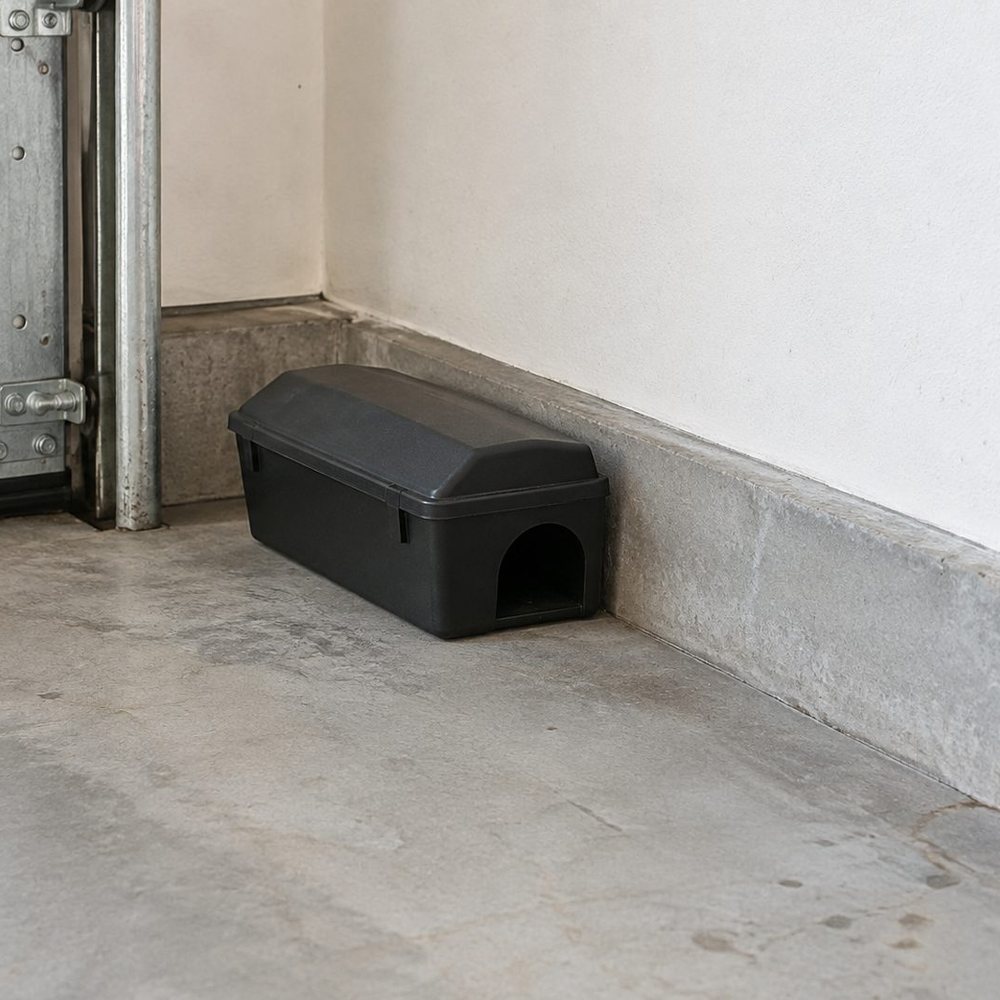
A couple of mice in October can be a lot of mice by January. They chew wiring, insulation and stored boxes, and cold Indiana nights push them indoors every fall. Seeing bigger animals? See wildlife trapping. Business owners can ask about commercial service.
What people ask when they find droppings.
Scratching in the walls at night, droppings that look like dark grains of rice, gnawed packaging, and a musty smell are the big clues. If your house sounds like it has a tiny drum line after dark, you’ve got company.
Through gaps about the size of a dime or your pinky finger. Pipe openings, door gaps, foundation cracks, and garage doors are their favorite entrances. If you can fit a pencil through it, a mouse is probably already eyeing it.
Same reason people do: it’s getting cold and they want a warm place with snacks. Fall is peak season for mice moving in, so right now is the best time to seal gaps and get ahead of them.
They’re more than a nuisance. Mice can spread bacteria through droppings and urine, contaminate food, and chew through wiring (which is a fire risk). Never sweep up droppings dry. Wear gloves and a mask, and wet the area with disinfectant first.
Traps can catch some mice, but they won’t solve the root problem; traps by themselves are more of a bandage to a bigger problem. If you’re catching one after another, there’s an entry point somewhere and likely plenty more where those came from. A pro finds the how and the where.