
A nest on the porch light, yellow jackets in the lawn, bees buzzing out of the siding. DeadOne Pest Control takes care of stinging insects around Fort Wayne homes and businesses, so you do not have to get close.
Get your FREE*
Quote Today
*Free quotes are given by phone or email. In-person inspections are $85.
By pressing 'Get a FREE Quote' you are agreeing to our terms and conditions and privacy policy, and consenting to receive text messages from DeadOne Pest Control. To unsubscribe, reply STOP.
Wasps build under eaves, railings and porch lights, hornets hang big paper nests in trees, and yellow jackets nest in the ground or inside walls. We identify what you have, treat the nest and remove it safely. Carpenter bees drilling into your trim are covered too.
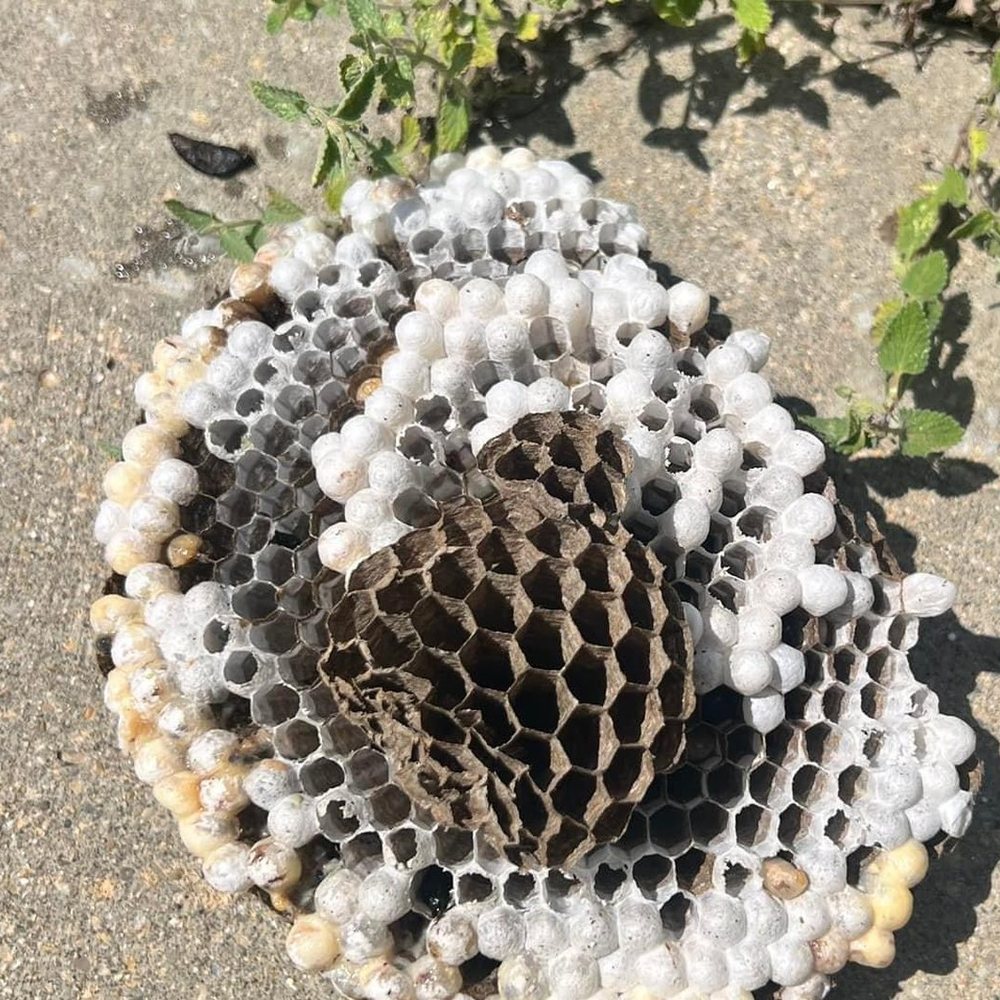
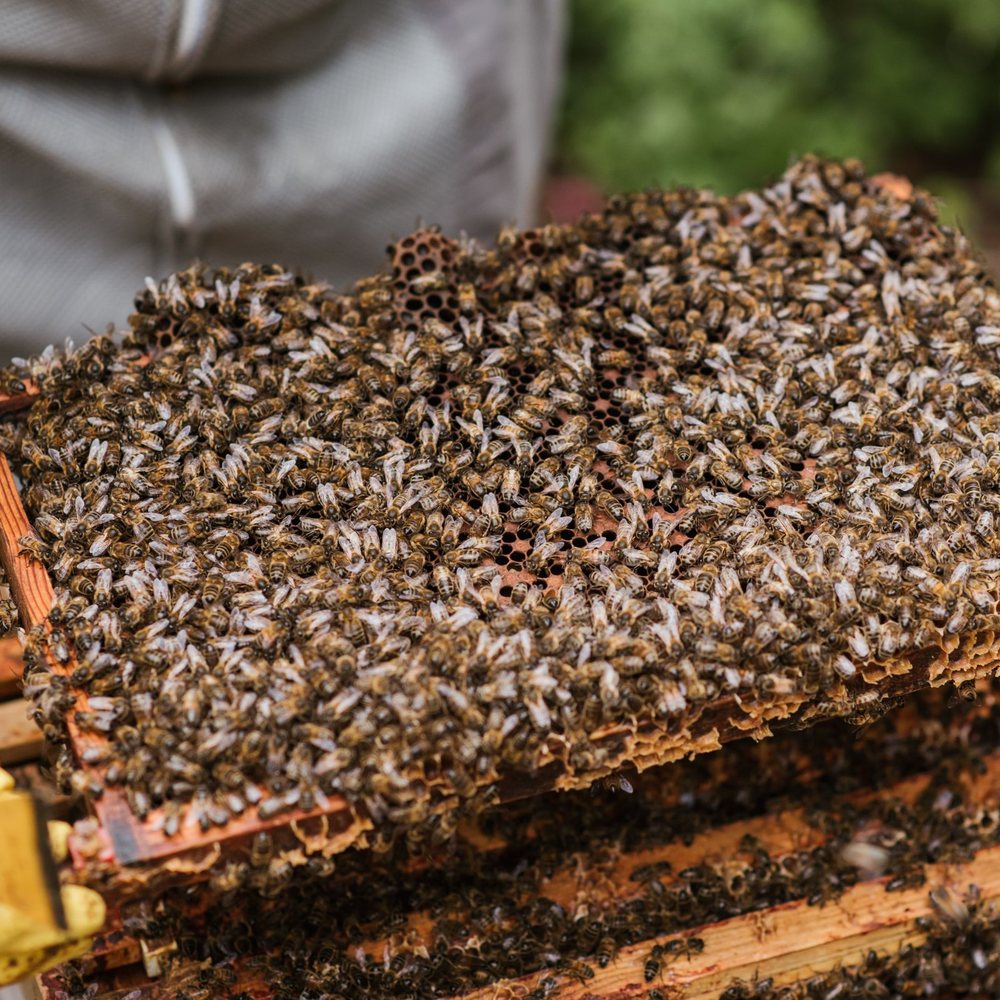
A disturbed nest can send dozens of stinging insects after you, especially in August and September when colonies peak. We have the gear and reach to treat nests without getting swarmed. Mosquitoes bothering you too? See mosquito control and home pest control.
What people ask when there is a nest by the door.
Short version: they’re all stinging cousins with different personalities. Paper wasps build open, umbrella-shaped nests under eaves and railings. Yellow jackets are the ones crashing your picnic, and they often nest in the ground or inside walls. Bald-faced hornets build big gray, football-shaped nests up in trees and on buildings. Not sure what you’ve got? Send us a photo.
Your home offers shelter, and they want a safe spot near food. Eaves, soffits, sheds, decks, porch ceilings, and play sets are all prime real estate. A nest starts about the size of a golf ball in spring and can grow to the size of a basketball by late summer.
We’d say don’t. Store-bought sprays can make a defensive colony swarm, and a nest in a wall or the ground is much bigger than the part you can see. Stings happen fast, and a ladder plus an angry nest is a bad combo. A pro has the gear and the know-how to do it safely.
Late summer and fall is when colonies are at their biggest and their food supply is shrinking. They go hunting for sweet stuff (soda, juice, fallen fruit) and get cranky about it. Keep trash cans sealed and check your drink before you sip.
Wasps don’t reuse old nests, but new queens look for the same good spots. Once the cold hits, the colony dies off and only the queens survive the winter, tucked away in sheltered places. Treating likely nesting areas and knocking down small early nests in spring helps a lot.
Your impulse will be to seal the hole. Don’t! Blocking the entrance can send them looking for another way out, and that way might be into your living space. It also keeps our product from reaching the nest and queen. Call or text us at 260-245-3323 (DEAD) and we’ll treat it first, then close it up once it’s safe.
For a typical sting, wash the area, apply a cold pack, and watch it. If there’s trouble breathing, swelling of the face or throat, dizziness, or hives away from the sting site, call 911. Anyone with a known allergy should keep their epinephrine handy and tell us before we start work.